When a baby smiles at a stranger, parents feel like they’ve just unlocked a secret level in a game. But what if that smile is delayed, or the tiny hand that should be reaching for a toy is still busy with its own internal world? These pauses can signal autism early developmental milestone gaps, a phrase that might sound technical but actually points to something very human: a difference in how a child’s brain is how to get autism diagnosis Australia wiring itself.
In this article we’ll unpack what developmental milestones are, how to spot gaps, and why early detection matters. We’ll sprinkle in a touch of humor (because laughter is the best medicine, right?) and share practical tips for parents, caregivers, and professionals alike. By the end, you’ll feel better equipped to recognize those early signs and take action before the “gap” becomes a bigger hurdle.
Understanding Developmental Milestones
What Are Milestones?
Developmental milestones are the building blocks of a child’s growth—like the steps on a staircase that lead from crawling to cruising to running. They’re not just a list; they’re a roadmap that shows typical progression in areas such as motor skills, language, social interaction, and cognition.
Typical Milestone Timeline
| Age | Motor | Language | Social | Cognitive |
|-----|-------|----------|--------|-----------|
| 2 months | Holds head up | Babbles | Smiles at familiar faces | Follows simple gestures |
| 6 months | Rolls over | Recognizes own name | Responds to “no” | Points to objects |

| 12 months | Walks with support | Says one or two words | Plays “peek‑a‑boo” | Explores cause and effect |
These are averages—every child is unique, but consistent patterns emerge. When a child lags behind in several areas, that’s where autism early developmental milestone gaps may come into play.
Identifying Gaps in Early Development
Common Signs of Gaps
- Delayed or absent babbling by 12 months Limited eye contact or avoidance of eye contact Reduced or absent response to name or simple commands Limited imitation of sounds or gestures Atypical play—repeating the same action over and over
These signs aren’t a diagnosis in themselves, but they’re red flags that warrant closer observation. Remember, a single delayed milestone isn’t a verdict—it's a cue to keep your eyes peeled.
When to Seek Evaluation
If you notice one or more of the above signs, consider:
- Consulting a pediatrician for a developmental screening Scheduling a developmental evaluation with a specialist (e.g., child psychologist, developmental pediatrician) Joining a parent support group for shared experiences and guidance
Ask yourself: Could this be a normal variation, or is it a signal that we need to act? The sooner you investigate, the better the outcomes.
The Role of Parents and Caregivers
Observational Techniques
Parents are the best detectives when it comes to early signs. Keep a simple journal:
- What happened? (e.g., “Mom called name, child didn’t look up.”) When? (time of day, context) How did the child react? (smile, frown, ignore)
These notes help professionals paint an accurate picture.
Documenting Progress
- Photographs of developmental milestones (e.g., first steps, first word) Videos of playtime or interaction (short clips are fine) Growth charts and developmental checklists
These documents serve as evidence and can speed up the evaluation process.
Professional Assessments and Interventions
Screening Tools
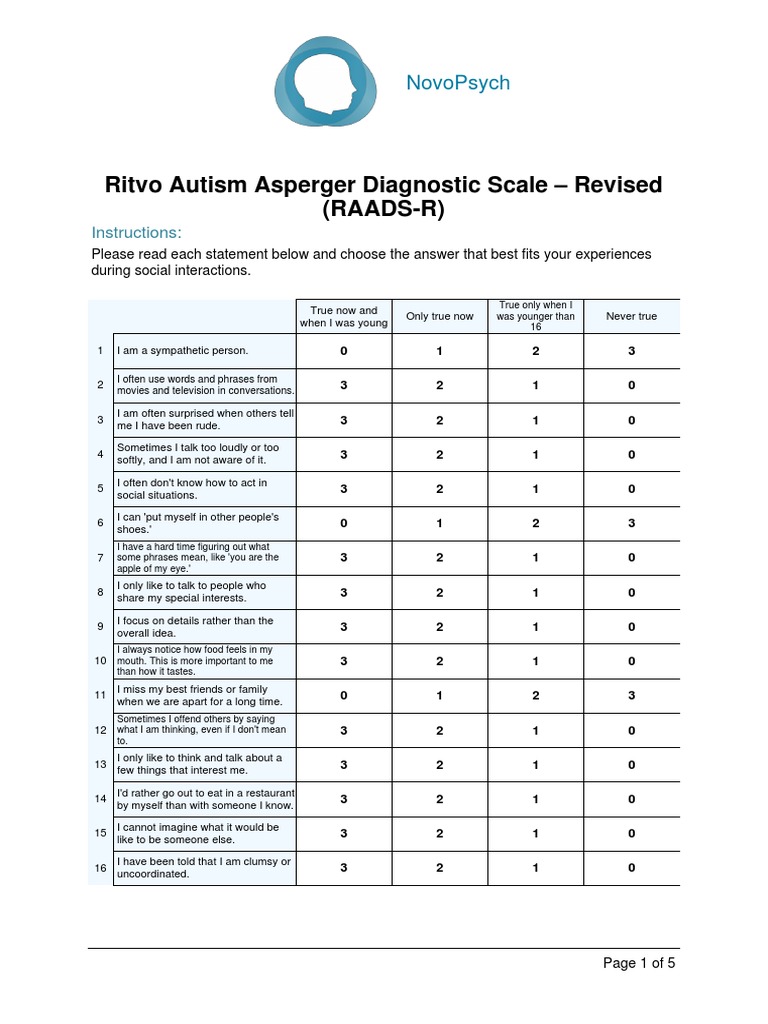
- M-CHAT-R/F (Modified Checklist for Autism in Toddlers) Ages and Stages Questionnaires (ASQ) Vineland Adaptive Behavior Scales
These tools are quick, non-invasive, and give a snapshot of where a child stands relative to peers.
Early Intervention Programs
- Applied Behavior Analysis (ABA) Speech and Language Therapy Occupational Therapy Parent‑led playgroups
Research shows that early intervention can dramatically improve outcomes, especially when started before age 3. Think of it as plugging a leak before the water rushes out.
Myths and Misconceptions
Common Misconceptions
- “All kids develop at the same pace.” False—development is a spectrum. “If a child is behind now, they’ll catch up later.” Sometimes, but gaps can widen without support. “Only children with obvious symptoms need help.” Subtle signs can be early indicators of autism.
Dispelling these myths helps parents avoid unnecessary worry and focus on evidence-based actions.
A Lighthearted Look: One Family’s Journey
Take the story of Maya, a bright 18‑month‑old who loved to play with blocks but never seemed to engage in “pretend play.” Her mother, Sarah, noticed that Maya would stare at a toy car for minutes, then switch to a stuffed animal with no sign of interaction. Sarah laughed, “Maybe Maya just has a very selective taste.” But she also kept a journal, and by 20 months, Maya’s speech therapist noted a gap in social communication. With early intervention, Maya now enjoys “pretend play” and has made two new friends in her preschool class. Maya’s journey reminds us that early gaps can be bridged with the right support.
> “Early identification is not a diagnosis; it’s a doorway to opportunity.” – Dr. Elena Ramirez, Developmental Pediatrician
Bridging the Gaps: A Roadmap Forward
- Stay observant: Keep a developmental diary. Seek professional guidance: Don’t wait for a full diagnosis before taking action. Engage in early intervention: The sooner, the better. Build a support network: Parents, therapists, and community resources are your allies. Celebrate small wins: Each milestone reached is a step toward a brighter future.
When you look at a child’s development, think of it like a puzzle—each piece matters. If a few pieces are missing, it doesn’t mean the picture is ruined; it simply means we need to find the right fit. By recognizing autism early developmental milestone gaps and acting promptly, you’re not just filling a void—you’re empowering a child to thrive.
*Ready to take the next step? Reach out to your pediatrician today and start the conversation about developmental screening. Your child’s future begins with the knowledge you gain today.*